On-Page SEO Guide for Construction Companies

In the competitive construction industry, optimizing your website for search engines is crucial for maximizing visibility and attracting potential clients. Effective on-page SEO not only involves enhancing your website's content but also ensuring that technical elements align with search engine algorithms. This comprehensive guide will help construction companies navigate the important aspects of on-page SEO, focusing on proven strategies for improving website performance and lead generation. Readers will explore keyword research, essential technical SEO elements, local SEO, structured data, content strategies, and SEO auditing techniques. Understanding these crucial components will empower contractors to enhance their online presence, drive more traffic, and ultimately convert website visitors into valuable leads.
Key Takeaways
- Effective keyword research aligns construction website content with targeted client search intent to drive relevant traffic.
- Optimizing meta tags, headers, page speed, and mobile responsiveness enhances search rankings and user experience.
- Local SEO strategies, including Google My Business optimization and local citations, improve contractor visibility in geographic markets.
- Implementing structured data and schema markup increases chances of rich snippets and better search result presentation.
- Benefit-oriented, clear content and case studies engage potential clients and demonstrate contractor expertise.
- Regular SEO audits and performance monitoring using tools like Google Analytics ensure ongoing website optimization.
- Updating SEO content and schema markup every 3–6 months maintains relevance and competitive advantage.
- User experience improvements such as intuitive navigation and fast load times positively impact SEO rankings.
- Avoiding common SEO mistakes like duplicate content and poor keyword research is critical for sustained success.
How Can Construction Companies Conduct Effective Keyword Research for SEO?

Keyword research is the backbone of any successful SEO strategy, particularly for construction companies looking to attract targeted traffic. By identifying the right keywords to focus on, contractors can align their content with what potential clients are searching for online. Understanding user intent, utilizing keyword research tools, and applying strategic variations in keyword usage are essential steps to uncover high-value keywords that can drive traffic to contractor websites.
Which Keywords Drive Contractor Website Traffic and Leads?
To effectively draw traffic and leads to contractor websites, identifying the most relevant keywords is essential. Popular keyword examples include "construction services near me", "renovation contractors", and "custom home builders". Contractors should also consider long-tail keywords such as "affordable roofing services in [city]" to capture specific search intent. Incorporating regional keywords can enhance visibility within local markets, positioning contractors as the go-to option in their areas.
How to Align Keywords with User Search Intent in Construction SEO
Aligning keywords with user search intent involves understanding the motivation behind searches. Contractors can analyze their audience's needs by leveraging tools like Google Analytics and Google Search Console. For instance, keywords indicating a desire for immediate services like "emergency plumbing repairs" differ from exploratory searches such as "best home improvement ideas." By matching keywords to these categories, contractors can create targeted content that speaks directly to potential clients' needs.
What Are the Essential Technical On-Page SEO Elements for Construction Websites?
Technical on-page SEO encompasses various elements that influence a website’s performance and visibility in search results. Key components include meta tags, header tags, page speed, and mobile optimization. Focusing on these aspects not only improves a site’s SEO but also enhances user experience, making it more likely for visitors to engage with the content.
How Do Meta Tags and Headers Improve Search Engine Rankings for Contractors?
Meta tags, including title tags and meta descriptions, play a vital role in informing search engines about a page's content. Properly optimized meta tags can significantly improve click-through rates from search engine results pages (SERPs). For example, a descriptive title tag such as “Expert Renovation Contractors in [City]” can entice users to click, while header tags (H1, H2, H3) help structure content and make it more readable. Including targeted keywords in these elements further boosts search engine rankings.
Why Is Page Speed and Mobile Optimization Critical for Construction SEO?
Page speed is a crucial factor influencing user experience and search engine rankings. Research indicates that sites loading within three seconds are likely to retain users better than slower sites. Additionally, with the growing use of mobile devices, optimizing websites for mobile access is essential. Responsive design ensures that users can navigate your site on various devices, helping to reduce bounce rates and improve overall user satisfaction.
How Does Local SEO Strengthen Contractor Visibility in Construction Markets?
Local SEO is fundamental for construction companies since most clients search for services within their geographical area. By optimizing for local search, contractors can improve their visibility in local markets and attract clients looking for nearby services. Key strategies include setting up Google My Business profiles, acquiring local citations, and encouraging positive reviews. Construction SEO is also essential for enhancing online presence.
A significant reason for focusing on local SEO is that nearly half of all Google searches have local intent, meaning potential customers are actively looking for services in their immediate area.
Local SEO Guide: Ranking Higher on Google Maps for Construction Companies
1. 46% of all Google searches have local intent. Someone types “plumber near me” or “best coffee shop downtown,” and Google Maps decides which three businesses show up first. If you’re not in that Local 3-Pack, you’re invisible to almost half your potential customers.2. I’ve helped local businesses climb from page two of Maps results to the top three. The process isn’t complicated, but it does require getting specific things right. Your Google Business Profile (formerly Google My Business), your reviews, your citations, and youron-page SEOall work together to determine where you rank.3. This guide covers everything you need to do, step by step. No guesswork. Just what actually moves the needle for local rankings in 2026.4. Google uses three main factors to rank businesses on Maps: relevance, distance, and prominence. Relevance means how well your listing matches what someone searched for. Distance is how close your business is to the searcher. And prominence is how well-known and trusted your business appears online.5. You can’t control distance. But you can control relevance and prominence. That’s where the real work happens.How to Rank Higher on Google Maps: A Local SEO Guide, 2020
What Are Best Practices for Optimizing Google My Business Profiles for Contractors?
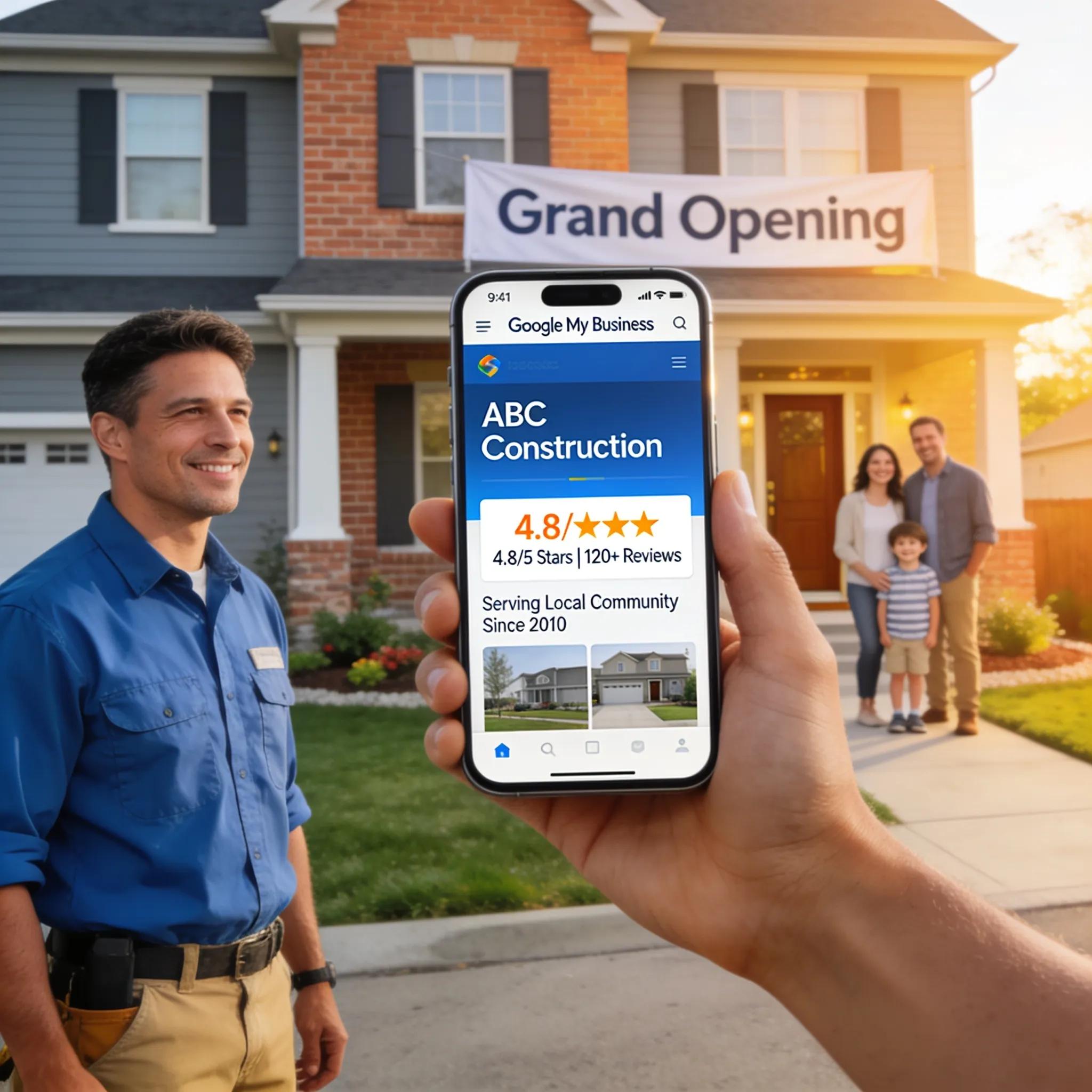
A well-optimized Google My Business profile can significantly enhance a contractor’s online presence. Best practices include ensuring accurate and complete business information, adding engaging photos, and regularly updating posts about promotions or projects. Moreover, soliciting customer reviews can boost credibility and encourage more local clients to choose your services.
How Do Local Citations and Reviews Influence Contractor Search Rankings?
Local citations and reviews both play vital roles in improving search rankings. Consistent local citations across online directories build trust and authority, while positive customer reviews enhance a contractor's reputation. Encouraging satisfied clients to leave reviews on platforms like Yelp and Google can have a direct impact on attracting new business and increasing overall visibility in local search results.
How Can Structured Data and Schema Markup Enhance SEO for Construction Firms?
Structured data and schema markup help search engines understand the content of your website more effectively. By implementing these technologies, construction companies can improve their chances of appearing in rich snippets, which can lead to higher click-through rates and improved website traffic.
Which Schema.org Types Should Construction Websites Implement?
Construction websites should consider implementing schema types such as LocalBusiness, Contractor, and Service for enhanced visibility. Utilizing these entities helps search engines recognize and categorize the business, making it easier for potential clients to find relevant services. Including detailed information like location, reviews, and service offerings can lead to enhanced presentation in search results, influencing user engagement positively.
How To Add and Validate Schema Markup for Contractor Services
Adding schema markup involves using JSON-LD format to embed structured data in the website's code. Tools like Google's Structured Data Markup Helper can assist in this process. Once implemented, testing the markup with the Google Rich Results Test ensures functionality and accuracy, allowing contractors to check potential enhancements before making changes live.
What SEO Content Strategies Drive More Qualified Leads for Construction Companies?
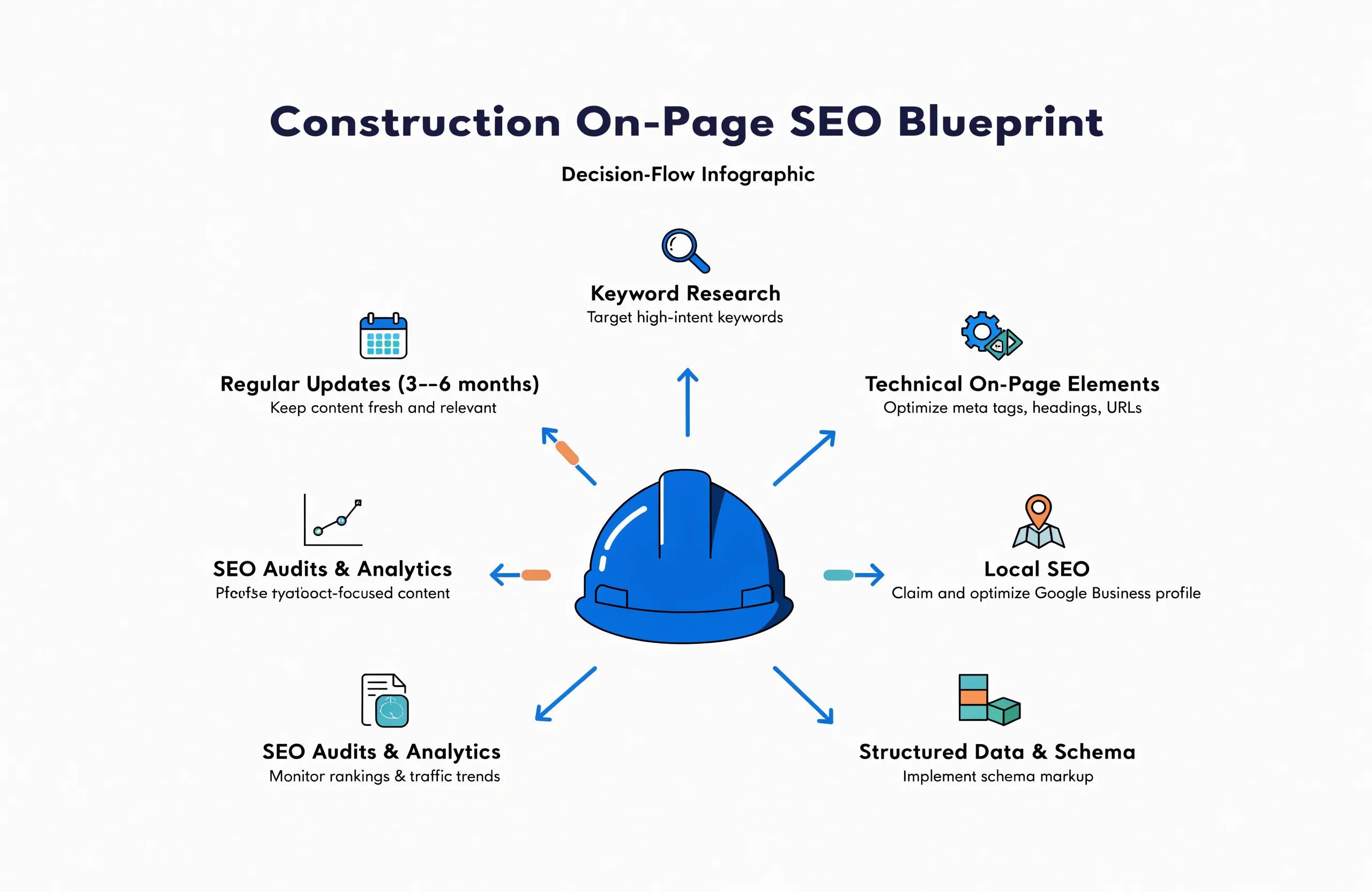
Developing effective SEO content strategies is key to driving qualified leads for construction companies. By focusing on benefit-oriented content that addresses the specific needs of potential clients, contractors can differentiate themselves and engage their target audience more effectively.
How to Create Clear, Benefit-Oriented Content Targeted at Contractor Clients
Creating clear and benefit-oriented content requires understanding what clients value. Contractors should focus on how their services can solve specific problems or meet client needs. For example, content that discusses energy-efficient building techniques or the importance of timely renovations can help potential clients appreciate the value provided by the contractor's service. Using well-organized structures with headings and bullet points improves readability and encourages engagement.
Why Are SEO Checklists and Case Studies Effective for Contractor Websites?
SEO checklists and case studies serve as powerful tools for engaging prospective clients. Checklists provide quick, actionable insights for readers, while case studies demonstrate the contractor's expertise through real-world examples. Sharing success stories and detailing processes showcases credibility, fostering trust and leading potential clients to reach out for services.
How to Conduct an SEO Audit and Monitor Performance for Construction Websites?
Conducting regular SEO audits is essential for maintaining website health and performance. An audit assesses various on-page elements and helps identify areas for improvement. Additionally, continuous monitoring of performance metrics ensures that contractors can adapt their strategies effectively for optimal results.
What Key Metrics and Tools Measure On-Page SEO Success for Contractors?
Key metrics for measuring on-page SEO success include organic traffic, bounce rates, keyword rankings, and conversion rates. Tools like Google Analytics, SEMrush, and Ahrefs offer valuable insights into these metrics, enabling contractors to refine their SEO strategies based on data-driven results.
How Often Should Contractors Update SEO Content and Schema Markup?
Regular updates to SEO content and schema markup are crucial for staying relevant in search engine results. It is generally recommended that contractors review their content every 3-6 months and make schema adjustments as services evolve or new offerings are introduced. Keeping content fresh and in line with current trends ensures sustained visibility and relevance in a competitive market.
| Metric | Description | Value |
|---|---|---|
| Organic Traffic | Total visitors from search engines | Varies based on industry and optimization |
| Bounce Rate | Percentage of users leaving after one page | Ideal: under 50% |
| Keyword Rankings | Positions of targeted keywords in SERPs | Top 3 rankings desired |
| Conversion Rate | Percentage of visitors taking action | Higher rates lead to increased leads |
This table summarizes the essential metrics that construction companies should monitor to evaluate their on-page SEO success. By focusing on factors affecting visibility and engagement, contractors can make informed decisions to enhance their SEO strategies.
Frequently Asked Questions
What role does user experience play in on-page SEO for construction websites?
User experience (UX) significantly impacts on-page SEO by influencing how visitors interact with a website. A positive UX leads to longer visit durations, lower bounce rates, and higher conversion rates. Key UX elements include intuitive navigation, quick load times, and engaging content layouts. By optimizing these features, construction companies can enhance visitor satisfaction, which in turn boosts their search engine rankings. Search engines like Google favor sites that prioritize user-friendly experiences, making UX a critical aspect of any effective SEO strategy.
How can construction companies leverage social media for SEO benefits?
While social media does not directly impact SEO rankings, it can drive traffic to your website, enhancing its visibility. By sharing optimized content and engaging updates about your construction business on social platforms, you can attract new visitors who might convert into clients. Additionally, social media offers a platform for building relationships and gathering reviews, which can further enhance your online reputation and support local SEO efforts. Consistent branding and active engagement in industry discussions can also contribute to improved authority and trustworthiness, impacting SEO indirectly.
What common mistakes should construction companies avoid in on-page SEO?
Construction companies should be mindful of several common on-page SEO mistakes. Failing to conduct thorough keyword research can lead to missed traffic opportunities. Additionally, neglecting title tags or using duplicate content can severely impact rankings. Other pitfalls include poor-quality images that slow down load times and not optimizing meta descriptions, which can affect click-through rates on search results. Regularly auditing your website and keeping abreast of best practices will help avoid these errors and promote better overall SEO performance.
How often should construction companies conduct keyword research?
Keyword research should not be a one-time activity; it is advisable for construction companies to revisit their keyword strategy regularly. As market trends evolve, customer preferences change, and new services emerge, updating keyword research every 6-12 months can ensure alignment with current search behaviors. Seasonal demands can also influence the types of keywords prompted by users, so ongoing research helps maintain relevance and effectiveness in attracting the right audience and driving qualified traffic.
What tools can construction companies use for SEO audit purposes?
Several reliable tools can aid construction companies in conducting thorough SEO audits. Google Search Console provides insights into how your website performs in search results, while tools like SEMrush and Ahrefs offer comprehensive analysis, including backlink assessments and keyword tracking. Screaming Frog is valuable for identifying technical SEO issues, such as broken links and missing meta tags. Combining these tools helps generate a holistic view of your website's health and areas requiring improvement, fostering an effective SEO strategy.
How can storytelling enhance SEO content for contractors?
Storytelling can significantly enhance SEO content by making it more relatable and engaging for readers. When construction companies share compelling narratives about their projects or client experiences, it captures the audience’s attention and encourages longer visits. Incorporating real-life examples and case studies not only establishes credibility but also enriches the content with targeted keywords naturally. This approach can lead to better user engagement metrics, which search engines favor, ultimately driving higher rankings and increased traffic.
Conclusion
By implementing effective on-page SEO strategies, construction companies can significantly enhance their online visibility and attract a steady stream of qualified leads. Understanding key techniques such as keyword research, local SEO, and technical optimizations empowers contractors to connect with potential clients effectively. To maintain this competitive edge, it’s critical to regularly audit and update your website according to the evolving best practices. Start optimizing your website today to ensure your construction business stands out and thrives in the digital marketplace.