
Service Area Pages That Convert For Contractors
Service Area Pages That Convert For Contractors
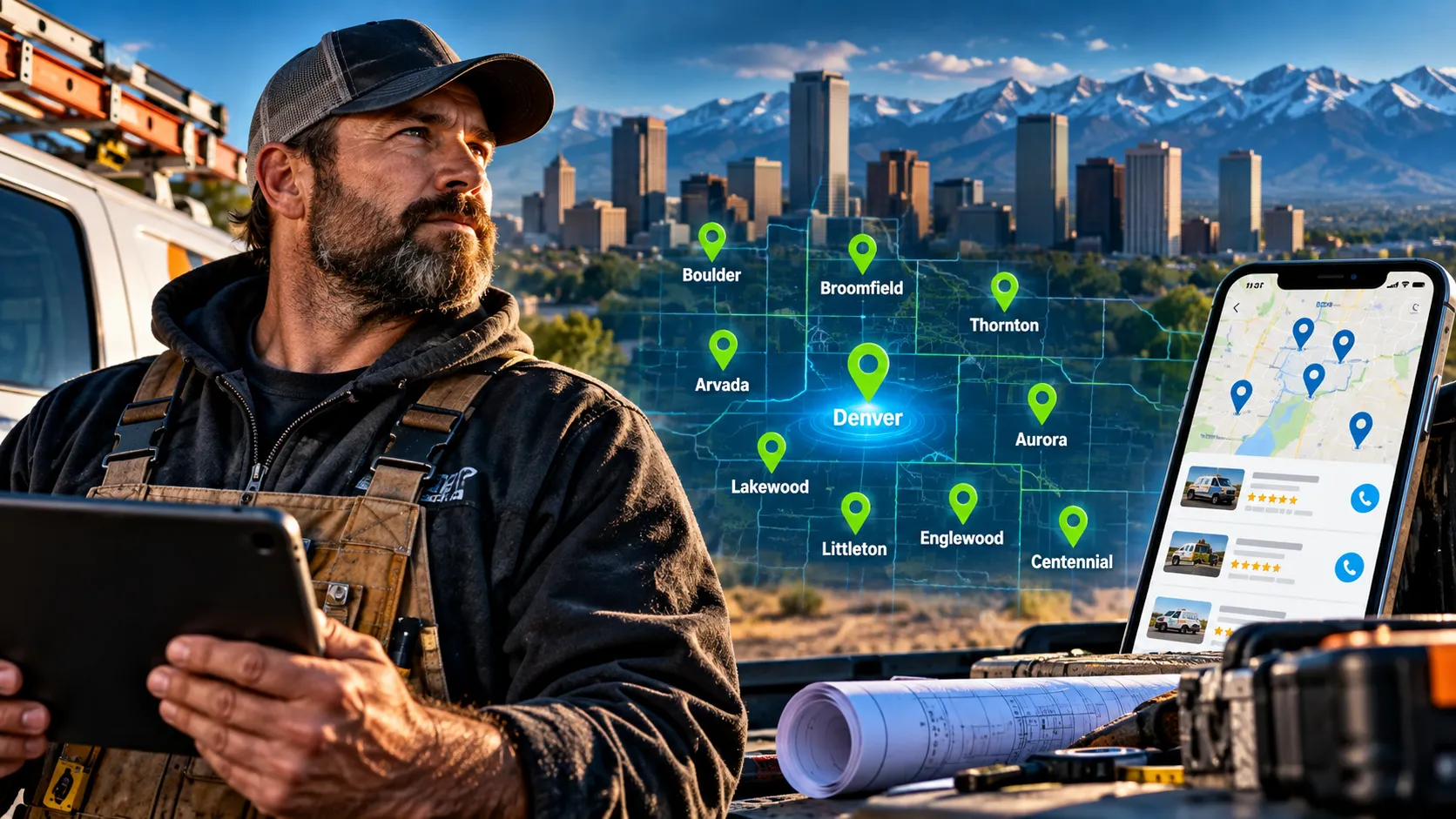
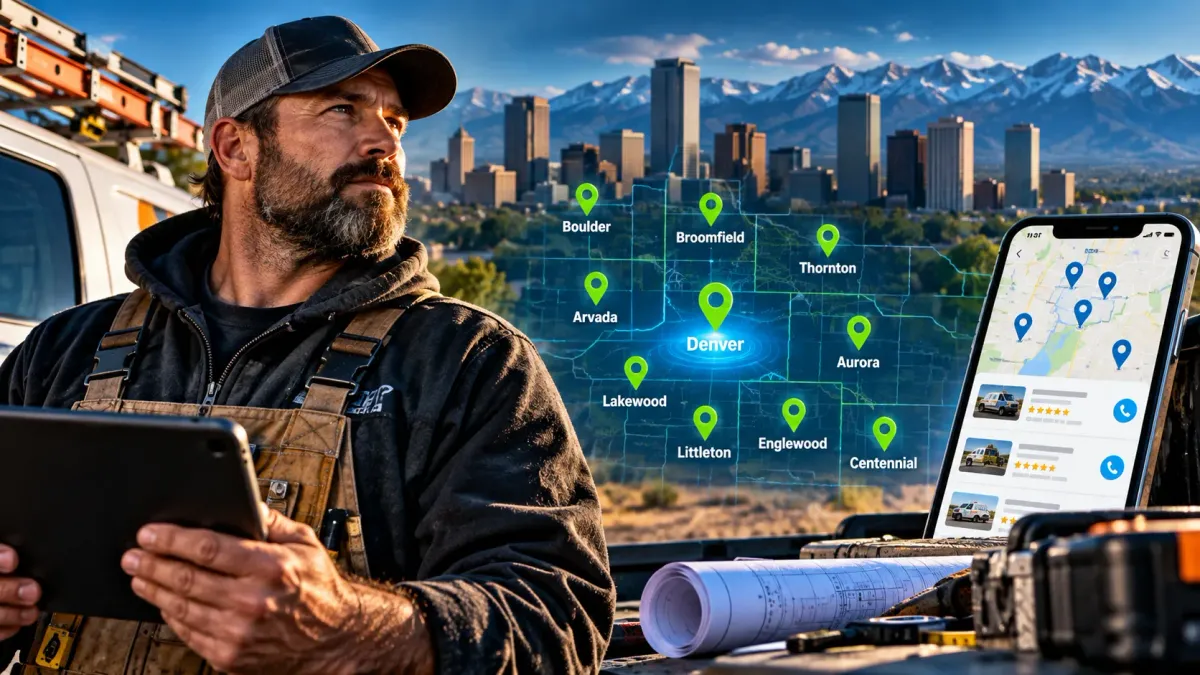
Service area landing pages are city-specific pages built for each town a contractor covers—Denver, Aurora, Lakewood, Littleton—so Google matches search intent to location. We build these as standalone pages, not blog posts, targeting one service and one city per page, driving qualified calls instead of shared-lead-portal traffic like Angi.
Key Takeaways
Landing pages convert prospects into leads by presenting relevant information at psychologically optimal moments.
Service area pages require a clear coverage hub to avoid confusing visitors with duplicate content.
High-converting contractor pages include 7 essential elements that generate affordable, quality leads from online marketing.
City pages only add value when they provide unique local details beyond generic service copy.
What Will You Accomplish With Local Service Pages?
Booked calls come from **local service pages** built around one job, one neighborhood, one buyer intent. A generic homepage asks a visitor to figure out where they fit. A dedicated page built around a single service, rather than a broad company overview, is what actually turns a search visitor into a phone call. We treat every page like a technician treats a service call: one problem, one fix, no wasted steps.
Here's what we build for contractors when we set up contractor service area seo:
Pages that match a single service to a single search intent, so the visitor never has to guess whether we do the work they need
Copy structured to convert immediately into a filled form or a phone call, not just to rank
Coverage built city by city and job by job, matched to where our crews actually run trucks
What's the difference between a service page and a homepage?
A homepage tries to cover everything a company does, which forces visitors to dig for the answer they came for. A service page answers one question fast: do you fix this problem, in my area, right now? That focus is what separates a page that ranks from a page that closes.
We build these systems using the full toolkit — search engine optimization, website design, pay-per-click campaigns, content, and automation — because a page alone doesn't win the job. Operating out of Denver gives us direct exposure to how contractors here actually get searched, city by city, service by service, which shapes how we structure every page we ship.
How Do You Build The Service Area Hub First?
Contractors build the hub before touching a single city page. One coverage page comes first, laying out the entire territory a business serves, because building service area pages out of order produces duplicate, thin content that search engines flag and visitors ignore. Two things need to be locked in before drafting starts: a confirmed list of every community the crew actually services, and a clear roster of the trades offered—HVAC, plumbing, roofing, electrical, whatever applies. Skip either one and the hub page ends up vague or wrong.
Build the hub in this order:
List every city, county, and zip code the business services, from the home base outward.
Write one page explaining the full region covered — not a service breakdown repeated city by city.
Link the hub to relevant trade-specific service pages first, then to individual city pages only where warranted.
Place the hub in main navigation as the anchor, so local service pages branch off it instead of competing with it.
Track the hub against booked-call volume. Our SEO and automation systems exist to grow booked jobs, and a hub page earns its keep only when it drives calls.
What Does A Service Area Hub Page Need To Say?
A hub page answers one question fast: do you work in my neighborhood? It should state the region covered, route visitors toward the right service, and link out to a city page only when that city has genuine local detail worth its own page. Anything less becomes a copy-paste template with a swapped city name. That hurts **contractor service area seo** more than it helps, so get the hub right first—everything else builds on it.
When Should You Add A City-Level Page?
A city page earns its spot only when it delivers local detail a visitor cannot find anywhere else on the site. We build one when a crew serves a distinct market with its own permit rules, weather patterns, or neighborhood quirks worth naming. Anything less than that, and the page just adds clutter.
Copying one paragraph and swapping the city name is the fastest way to hurt a site instead of help it. We've seen contractors publish ten near-identical pages hoping to rank in ten towns. Google treats that pattern as a red flag. Visitors notice the sameness too — a homeowner in Aurora doesn't want boilerplate written for Littleton. Build fewer pages, and give each one a real job to do.
Does every city need its own page?
No. If our service area pages already list the towns we cover with clear service details, that hub does the job for most markets. We only carve out a separate city page when local content actually changes the buyer's decision. Because our website design work builds every page from scratch rather than off a copy-paste template, contractors we work with skip the duplicate-content trap altogether—an approach that protects search rankings and keeps local service pages distinct enough to earn trust with both visitors and Google.
Before adding a city page, we check for:
A genuine local detail — permit process, service area boundary, or job history specific to that town
Enough search demand from that city to justify a standalone page
A plan to keep the content different from every other page on the site
Good contractor service area seo work means knowing when to stop building pages, not just how to build more of them.
How Do You Optimize Pages For Local Search?
Optimizing pages for local search starts with structure, not stuffing city names into headlines. We build service area pages around the actual trades operating in a region. Plumbers, roofers, HVAC companies, electricians, and garage door companies all fall under this model. Each page needs one job: describe the service, name the coverage zone, and give a real reason someone nearby should pick up the phone.
Here's how we handle it, step by step:
Map the coverage zones first, before writing a word of copy. We confirm which cities and neighborhoods a crew can actually reach on a given day.
Build one strong hub page per trade, then branch into local service pages only where local details genuinely differ — permit rules, HOA restrictions, or seasonal demand swings.
Load each page with specifics: crew availability, typical response windows, and equipment used on that job type.
Run our proprietary sequence for building authority on every page, tying it to reviews, citations, and job photos pulled from that exact area.
Track rankings and call volume every month, then rebuild any page that stalls.
Since Fasttcart operates out of Denver, Colorado, we structure on-page content the way Denver-metro contractors actually get searched — by trade, by neighborhood, and by urgency.
Does More Pages Mean Better Rankings?
No. Duplicate pages with swapped city names confuse both Google and homeowners scanning results fast. Contractor service area seo rewards fewer pages built with real local substance over dozens of thin clones.
Can We Guarantee A First-Page Ranking?
No agency, including ours, can promise a specific ranking spot or a set lead count for any single page. We stand behind the process instead — sound, tracked, and built on trade knowledge rather than shortcuts.
What Mistakes Cause Local Pages To Underperform?
Most service area pages fail for one reason: they don't get a visitor to pick up the phone or fill out a form within seconds of landing there. When that doesn't happen fast, the page has already lost the customer, no matter how polished the copy looks. We see contractors chase the wrong fix constantly—a new headline goes up, a fresh photo gets swapped in—and nothing changes, because the real problem sits deeper than the surface. Slapping paint on a page that's structurally broken doesn't fix the systems failing underneath it, and those systems keep bleeding customers every day the page stays live.
Why do local service pages stop converting over time?
Pages built without a clear system tend to drift. Someone edits a headline, someone else swaps a service list, and the page loses whatever structure once pointed visitors toward a call. Contractor service area seo work isn't a one-time build; it's an ongoing repair job on a system that degrades if nobody maintains it.
What's the fastest way to know if a page is broken?
Guessing wastes time and money. Contractors who aren't sure whether their pages are structured to convert get a straight answer fastest through a direct conversation, not by testing headlines for months.
Common failure points we run into on local service pages:
No clear next step above the fold — visitor has to scroll to find a phone number
Generic copy repeated across multiple cities with nothing local swapped in
Forms buried below service descriptions nobody reads
No system in place to catch drift once the page goes live
If your pages check any of those boxes, the fix starts with a free strategy call, not another headline swap.
FAQ
What is a service area landing page?
A service area landing page is a city-specific page built for one town a contractor covers, targeting one service and one buyer intent. Fasttcart builds these as standalone pages, not blog posts, to drive qualified calls instead of shared-lead-portal traffic.
Why build a coverage hub before city pages?
The hub lays out the entire service territory first, preventing the duplicate, thin content that results from building city pages out of order. It requires a confirmed list of every community served and a clear roster of trades offered before drafting begins.
How is a service page different from a homepage?
A homepage forces visitors to dig through everything a company does. A service page answers one question fast: does this contractor fix this problem, here, now? Fasttcart, based in Denver, Colorado, builds each page around one service and one neighborhood.
Conclusion
In closing, service area landing pages transform how contractors dominate local search and convert high-intent prospects into booked calls. By targeting specific neighborhoods with localized content, optimized keywords, and trust signals, you eliminate reliance on shared lead portals and own your market. The contractors winning right now aren't waiting for algorithm changes—they're building authority in their service areas and capturing calls their competitors miss. Your next job is waiting in the neighborhoods you're not yet visible in.
