Local SEO for Contractors: Expanding to Out-of-State Metros
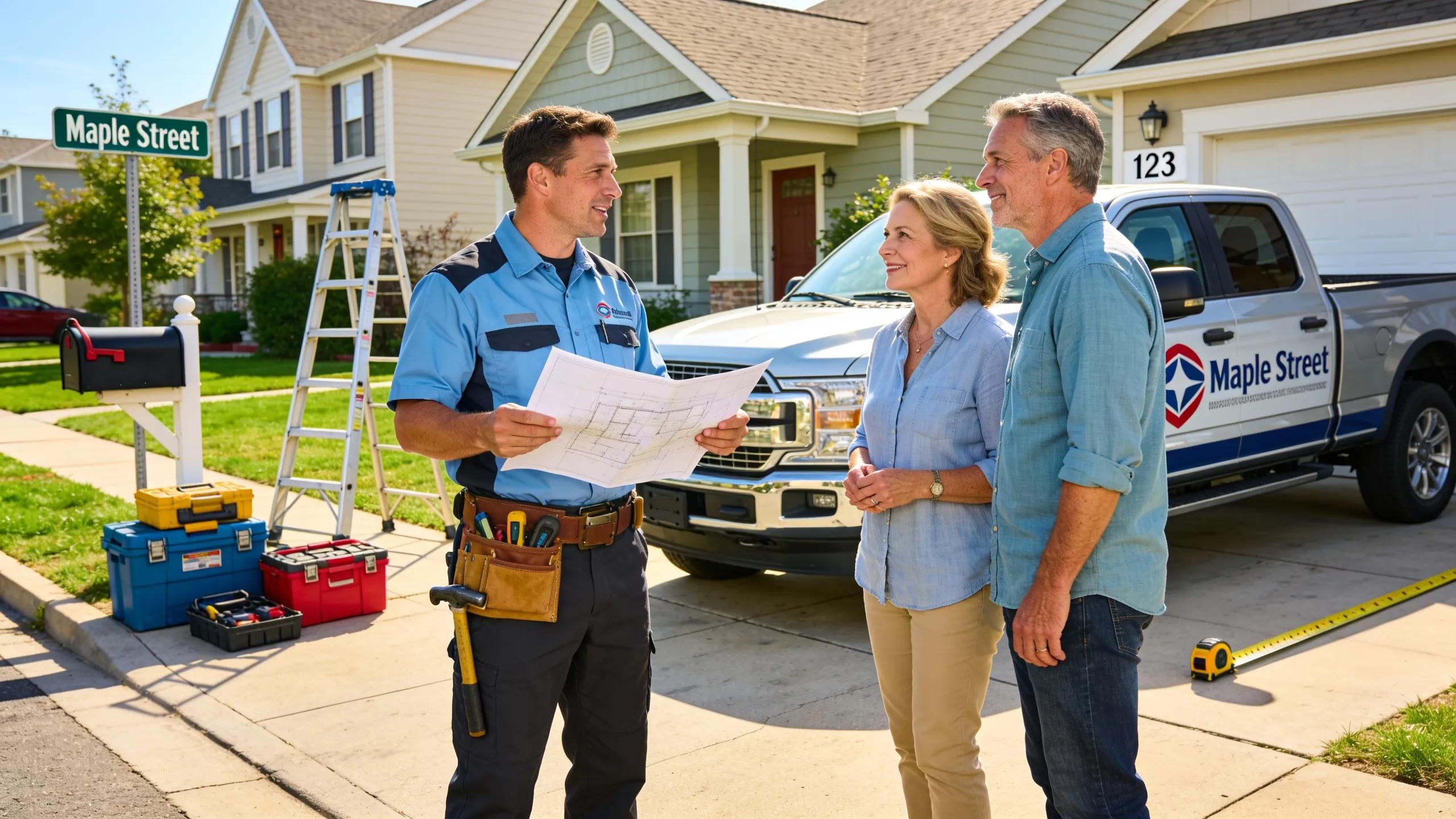
Local SEO for Contractors: How to Expand and Rank in Out‑of‑State Metros
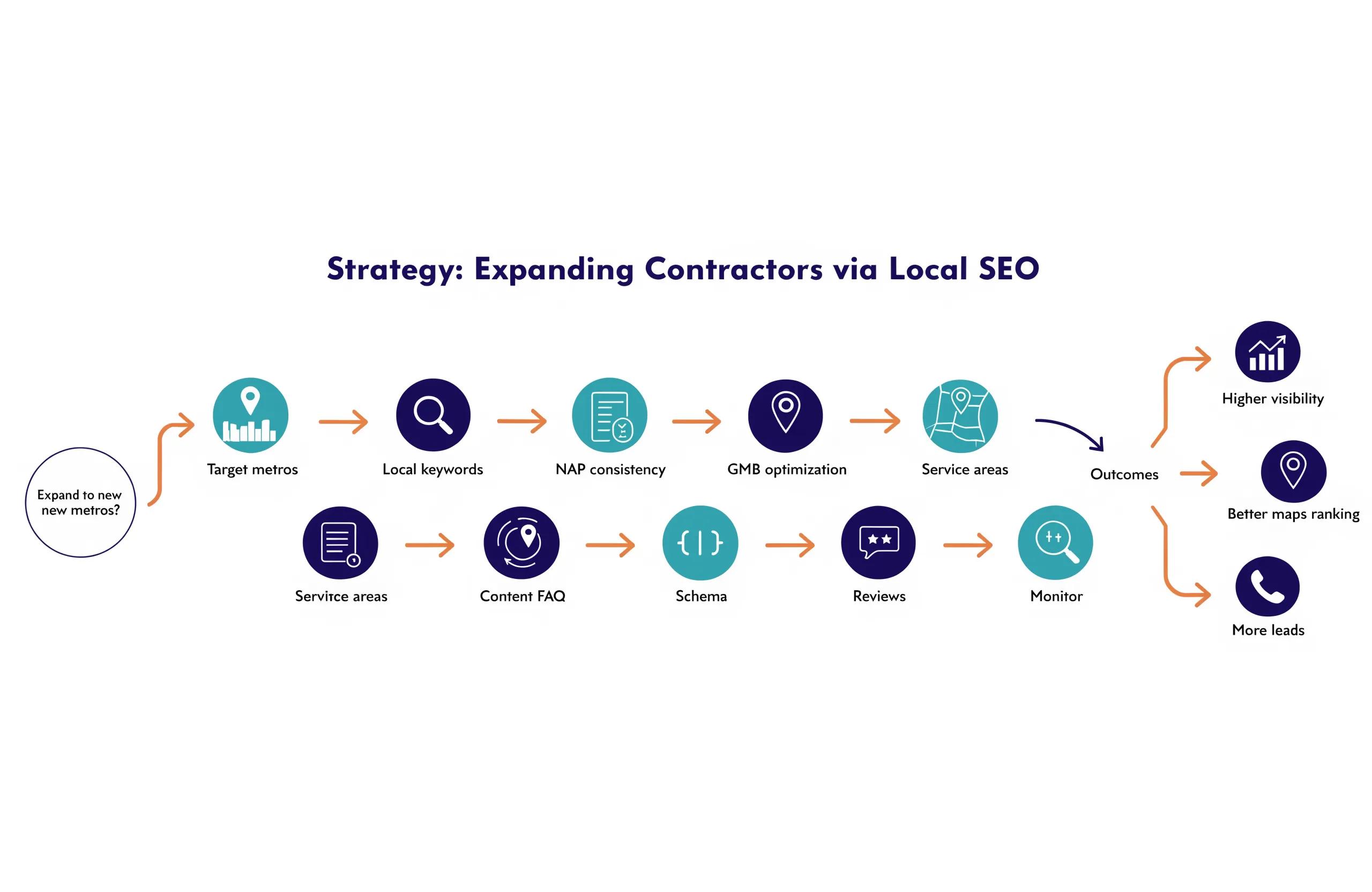
Local SEO for Contractors: Practical tactics to enter new metro markets and earn local search visibility.
By Lorris Smith, Fasttcart
Expanding a contracting business into out‑of‑state metros brings both opportunity and complexity. Local SEO is the most direct way to increase visibility in those new areas and attract qualified leads. This guide lays out clear, actionable strategies contractors can use to improve local search performance and win customers beyond their home market.
You’ll find practical tactics for keyword targeting, local listing management, and content that builds trust in unfamiliar markets. Later sections cover optimizing Google Business Profiles, maintaining consistent listings, improving Google Maps performance, and designing service‑area pages that convert. Apply these approaches to confidently scale your local presence where you want to grow.
Key Takeaways
- Local SEO is a must when entering out‑of‑state metros — it drives visibility and qualified leads.
- Use city‑ and service‑specific keywords to match local search intent and improve relevance.
- Keep your Name, Address, and Phone (NAP) identical across every listing to build trust with search engines and customers.
- Fully optimize Google Business Profiles with accurate service areas, hours, and photos to boost local search performance.
- Publish seasonal, emergency, and FAQ‑focused content to capture timely searches and establish local expertise.
- AI tools can speed analysis of search patterns and suggest optimizations to raise local rankings.
- Create dedicated service‑area pages and test Local Services Ads to gain immediate visibility in target markets.
- Track Google Maps rankings, keyword positions, and review volume to measure progress and find improvement opportunities.
- Add schema like LocalBusiness and FAQPage to help search engines understand your offerings and surface rich results.
Keyword Optimization:

Targeted keyword work is the foundation of local SEO. Choose terms that mirror how local customers search for services and map them to the services you offer. Focus on metro and neighborhood modifiers, service types, and intent signals to make your pages more relevant for local queries.
Differentiate keywords for emergency versus scheduled work so you capture searchers with urgent needs and those planning ahead. Building a keyword map by service line helps you place the right phrases on service pages, FAQs, and blog posts to match user intent.
| Keyword Strategy | Keyword Type | Target Locations |
|---|---|---|
| Regional Keywords | City‑level search terms | Target metros and suburbs |
| Service Queries | Emergency vs. scheduled | Service lines you provide |
| Local Phrases | Neighborhood and colloquial terms | Specific districts and neighborhoods |
Thoughtful keyword planning helps contractors appear for searches that matter in new markets, improving overall discoverability.
Local Listings:
Accurate, consistent listings are essential. Start by auditing Name, Address, and Phone (NAP) across major directories and correct any discrepancies — search engines and customers rely on this consistency.
Optimize each Google Business Profile with complete service descriptions, service area settings, up‑to‑date hours, photos, and posts. In addition to profile work, build dedicated service area pages on your site to target specific cities and neighborhoods and improve local ranking signals.
List your business with credible local directories and partner organizations to strengthen authority and local relevance in new markets.
Integration Point
Fasttcart advises using reputable local directories to build authority — these listings boost credibility and make it easier for prospective clients in new markets to find you.
Content Marketing Techniques:

Content tailored to local needs amplifies your SEO efforts. Publish seasonal guides, emergency response content, and neighborhood‑specific resources that answer the questions local customers actually ask.
FAQ‑heavy articles, how‑tos, and project case studies perform well for contractors — they solve problems, earn clicks, and encourage sharing. Prompt satisfied clients to leave reviews; social proof helps both rankings and conversions.
Hare's Eye View
Contractors can implement Fasttcart's content recommendations to meet local demand and connect with customers facing urgent issues. Clear, solution‑focused content builds trust and repeat business.
How Can Contractors Optimize Google My Business for Multi-Location Expansion?
For multi‑location growth, complete and differentiate each Google Business Profile. List location‑specific services, hours, and photos so searchers see the right information for each area.
Keep NAP consistent across profiles and supporting citations. Pair profiles with service‑area content — blog posts and landing pages that reflect the needs of each market — to strengthen local relevance.
What Are Best Practices for Contractor Local Listings Optimization?
Follow a repeatable checklist for listings: audit and correct NAP, claim and fully complete profiles, and keep details current. Test Local Services Ads where available to improve visibility against competitors.
Respond to reviews quickly and professionally — engagement signals both users and search engines that your business is active and reliable.
Here are some crucial methods to consider:
- NAP Consistency: Keep your name, address, and phone uniform across every platform.
- Utilize Local Services Ads: Use paid placement where applicable to capture high‑intent searches.
- Review Engagement: Ask for reviews from happy clients and reply to feedback promptly and respectfully.
How Does Google Maps Ranking Impact Out-of-State Contractor Visibility?
Google Maps ranking is a primary driver of local discoverability. A well‑optimized Google Business Profile increases the chance of appearing in the map pack, “near me” results, and local knowledge panels — all key sources of leads.
Google Business Profile: Key Asset for Local SEO
A Google Business Profile is the highest‑leverage asset a local business owns in 2026. It determines map pack inclusion, “near me” visibility, local panel AI summaries, and the knowledge panel for brand searches. Google Business Profile for Local SEO: 2026 Optimization Playbook, 2026
Produce local content tied to specific services and areas to signal relevance and authority, which helps improve Google Maps rankings over time.
Which AI Search Optimization Techniques Enhance Contractor Local SEO?
AI tools help surface trending local queries and prioritize optimizations that drive traffic. Use AI to analyze search intent, suggest topic clusters, and refine on‑page copy based on performance data. Combine AI insights with local expertise to keep content relevant and conversion‑focused.
AI‑driven testing and content optimization can increase relevance signals that feed into higher search positions and better user engagement.
What Are Proven Service Area Optimization Strategies for Contractors Expanding Regions?
Build dedicated service‑area pages that describe services, pricing cues, and local testimonials. Include geo‑specific content and FAQs to address the unique concerns of each market.
Complement organic pages with Local Services Ads for immediate visibility and perform competitor analysis to identify gaps you can exploit.
How to Manage Reputation Across Different Geographic Markets?
Reputation management starts with monitoring reviews and responding promptly. Encourage location‑specific testimonials and showcase local projects to build relevance in each market.
Track sentiment by region to tailor responses and marketing messages to the concerns and preferences of local customers.
Which Content and Schema Markup Boost Local SEO for Out-of-State Contractors?
Use structured data to clarify your services and locations. LocalBusiness schema highlights critical details like service area and contact info, while FAQPage schema surfaces quick answers in search results.
Create unique city pages with targeted content and schema to improve visibility for location‑based searches and boost click‑through rates.
How to Measure and Monitor SEO Success When Expanding Out-of-State?
Track keyword rankings by city, monitor Google Maps positions, and measure inbound call volume to see if visibility translates to leads. Use these signals to iterate on content and listings.
What Metrics Indicate Growth in Local Rankings and Lead Conversion?
Watch for rank improvements across targeted keywords, higher placement in the map pack, increased review volume, and a rise in consultation requests. Conversion rates from visit to contact are a key indicator of local SEO effectiveness.
Applied consistently, these strategies will help contractors gain a foothold and grow revenue in new markets.
Frequently Asked Questions
1. What role does local SEO play in online reputation management for contractors?
Local SEO shapes what prospects see first — your Google Business Profile, reviews, and local listings. By optimizing profiles and encouraging genuine reviews, contractors can surface positive feedback and show responsiveness to concerns, which strengthens trust and improves conversion.
2. How can contractors identify high-intent leads in new markets?
High‑intent leads show clear signals in search behavior: emergency phrasing, service + location queries, or calls from local listing pages. Use AI and analytics tools to spot these patterns and prioritize keywords and ads that capture urgent, transactional intent.
3. What types of content are most effective for engaging potential clients?
Content that solves immediate problems performs best: emergency guides, seasonal maintenance checklists, how‑tos, and local case studies. FAQs and project galleries also build trust and answer the questions customers ask before they call.
4. How does schema markup improve visibility for contractors?
Schema helps search engines understand your business and present it more effectively in results — for example, by enabling rich snippets for services, location details, and FAQs. This clarity can increase clicks and phone calls from local searches.
5. What are the benefits of creating service area pages?
Service‑area pages let you target specific locations with localized content, testimonials, and service details. They improve relevance for city‑based searches and help convert visitors by answering local questions and showcasing nearby work.
6. Why is monitoring Google Maps ranking important for contractors?
Google Maps rankings determine whether potential clients find you in the map pack — a primary source of local leads. Regular monitoring lets you spot drops, test fixes, and adjust listings or content to regain visibility quickly.
7. How can contractors use seasonal trends to boost their local SEO?
Align content with seasonal demand: publish timely guides, promote relevant services, and target seasonal keywords. Seasonal content captures short windows of heightened interest and can drive immediate traffic and bookings.
Conclusion
Growing into out‑of‑state metros is realistic when you prioritize local SEO: targeted keywords, consistent listings, optimized profiles, and locally relevant content. Start by auditing your listings, creating service‑area pages, and publishing helpful content that answers local needs. Measure the results, iterate, and scale the tactics that deliver leads. Visit our site for more resources and step‑by‑step guidance to expand your contractor business into new markets.