Google Ads Management for Trade Contractors
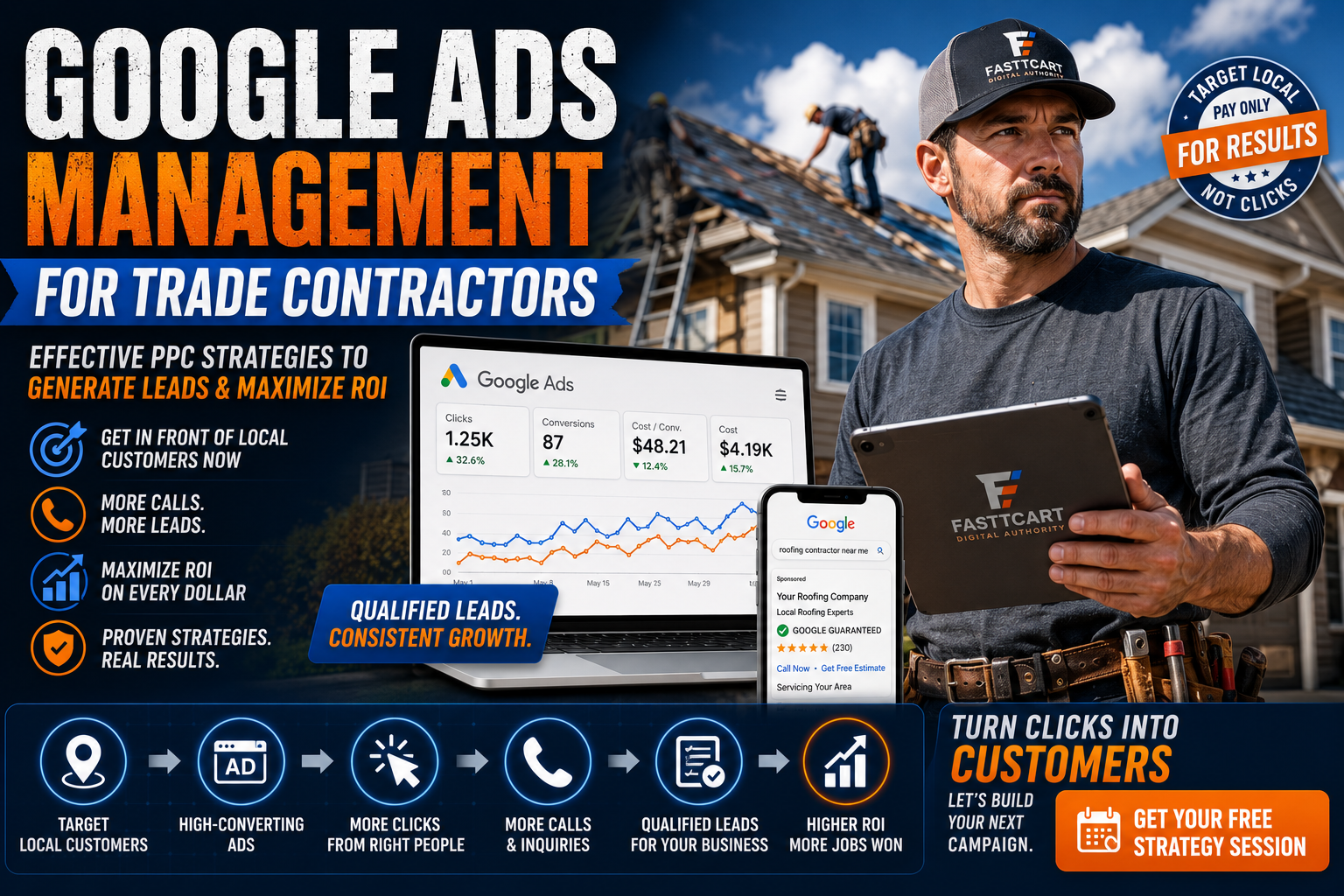
Google Ads Management for Trade Contractors: Effective PPC Strategies to Generate Leads and Maximize ROI
Google Ads can be a game-changer for trade contractors seeking to harness the power of digital marketing. By leveraging pay-per-click (PPC) strategies, contractors can efficiently reach potential customers in their local markets. This article delves into the mechanics of Google Ads, showcasing how it can be used effectively for lead generation and maximizing return on investment (ROI). Readers will learn about the core components of successful PPC campaigns, best strategies specifically for roofing and other trades, typical costs, and ROI expectations. Furthermore, we will explore tools that enhance Google Ads management, effective monitoring techniques, and answer common questions regarding this advertising platform.
How Does Google Ads Work for Trade Contractors to Drive Lead Generation?
Google Ads operates on a simple mechanism where advertisers bid on keywords relevant to their business. When potential customers search for these keywords, the ads appear alongside organic search results. This approach allows trade contractors to target specific audiences based on location and services offered. By selecting keywords effectively, contractors can ensure their advertisements reach individuals actively seeking their services. The advantages of local targeting become evident as it helps contractors connect with customers in their service areas, enhancing lead generation.
Google Ads: Pay-Per-Click Advertising for Businesses
Google AdWords, commonly referred to as paid Google Ads, is a pay-per-click advertising platform that enables businesses to promote their offerings through ads seen on the Google search engine and affiliated websites. The objective of employing the paid GoogleAds strategy is to enhance the online prominence of United Tractors' products by leveraging the paid GoogleAds approach to optimize visibility.
Optimizing Digital Visibility: A Comprehensive Analysis and Implementation of Paid Google Ads, DST Dara, 2024
What Are the Core Components of a Successful Contractor PPC Campaign?
A successful PPC campaign for contractors encompasses several essential components that need careful consideration:
- Identifying Target Audience: Understanding the demographics and needs of potential clients ensures that the ads resonate.
- Setting Campaign Objectives: Clearly defining objectives allows contractors to create focused campaigns, be it lead acquisition, brand awareness, or service promotion.
- Ad Copy Development Strategies: High-quality ad copy that highlights unique selling points can significantly improve engagement rates.
These components work cohesively to create a compelling PPC campaign designed to attract and convert potential leads, driving business growth.
Which Conversion Tracking Methods Ensure Accurate Lead Measurement?
Effective conversion tracking is crucial in measuring the success of PPC campaigns. Tracking methods are varied and include setting up conversion actions like form submissions, phone calls, and online purchases. Here are key methodologies:
- Google Ads Conversion Tracking: Directly incorporates actions taken on ads into the Google Ads platform.
- Google Analytics: Provides insights into website interactions and can track conversions from ads and organic searches.
- CRM Integration: Many contractors can integrate their Customer Relationship Management (CRM) systems with Google Ads to measure leads accurately.
Integrating these tools allows contractors to analyze data effectively, leading to more informed decisions regarding their advertising strategies.
What Are the Best Google Ads Strategies for Roofing and Trade Contractor Campaigns?

To optimize Google Ads campaigns specifically for roofing and other trade contractors, several strategies can be employed:
- Targeting Local Customers: Incorporating geo-targeting helps display ads to users within a relevant radius of the trade contractor's services.
- Developing Effective Ad Copy: Crafting ads that speak directly to the needs of the target audience while including a clear call to action can enhance performance.
- Optimizing Campaign Budgets: Allocating budgets effectively based on campaign performance allows contractors to maximize their advertising spend.
Implementing these strategies positions contractors favorably within their local markets, ensuring they attract the right clientele.
Google Local Service Ads: Pay-Per-Lead for Trade Contractors
Google LSA (Local Service Ads) are the pay-per-lead ads that appear at the very top of Google search for home and professional service queries, above the regular Google Ads and the Map Pack. You pay only when a qualified lead contacts you, not for clicks. Cost per lead ranges from $6 to $130+ depending on category and city. Google LSA: Local Service Ads Setup, Cost, and Categories, 2026
How to Optimize Roofing Contractor Google Campaigns for Local Lead Conversion?
When aiming for local lead conversion, contractors can optimize their campaigns by following these strategies:
- Using Location-Based Keywords: Keywords that include locality can greatly enhance ad visibility among local customers searching for services.
- Local Listings Optimization: Ensuring business details are accurate on Google My Business and local directories increases trust and visibility.
- Creating Location-Specific Ads: Tailoring ad content according to specific regions or services can increase relevance and click-through rates.
Utilizing these local-oriented tactics helps contractors enhance their lead conversion rates significantly.
Which Ad Copy and Targeting Tactics Improve Click-Through Rates for Contractors?
Improving click-through rates (CTR) requires strategic ad copy and targeting alignment. Here are effective tactics for contractors:
- Writing Persuasive Ad Copy: Use compelling language that conveys the benefits of services offered, leading to higher engagement.
- Effective Keyword Targeting: Regularly refining and updating keywords based on performance data helps maintain effective customer reach.
- Utilizing Ad Extensions: Ad extensions can provide additional information, such as contact numbers or additional links, increasing the ad's visibility and appeal.
These methods directly correlate with improved CTRs, ultimately leading to more conversions and a better ROI.
What Are Typical Costs and ROI Expectations for Google Ads Management in Contracting?
Understanding the costs associated with Google Ads management is vital for contractors. The typical cost per click (CPC) can vary significantly based on industry competitiveness. This section explores the relevant pricing models and expected ROI.
How Do Pricing Models for Contractor PPC Management Compare?
| Pricing Model | Description | Key Considerations |
|---|---|---|
| Hourly Pricing | Agency charges based on hours worked | Transparency needed on actual hours |
| Flat Fees | Fixed monthly fees for services rendered | Predictable costs, may overlook performance |
| Commission-Based | Agency takes a percentage of ad spend | Performance incentivization but can add costs |
Contractors must evaluate which model aligns best with their budgetary constraints and campaign objectives.
What Metrics Demonstrate ROI and Campaign Success for Contractors?
Monitoring key performance metrics is essential in demonstrating the ROI of Google Ads campaigns. Important metrics include:
- Cost Per Lead: Understanding how much each lead costs helps gauge campaign efficiency.
- Click-Through Rate (CTR): A higher CTR indicates ad effectiveness in attracting potential clients.
- Conversion Rate: This measures the percentage of visitors who take the desired action, showcasing campaign success.
These metrics provide a quantitative foundation to assess the overall success and effectiveness of ad campaigns.
Which Tools and Software Enhance Google Ads Management for Trade Contractors?
Effectively managing Google Ads campaigns can be streamlined with the right tools and software. Several platforms offer capabilities tailored to the needs of trade contractors:
- Top PPC Management Tools: Tools like WordStream and SEMrush provide insights into campaign performance and optimization opportunities.
- Integrating Software with Campaigns: Various CRM systems can track leads and customer interactions to refine campaigns.
- Evaluating Software ROI: Assessing software effectiveness in enhancing campaign performance can lead to smarter spending.
Using these tools can significantly enhance a contractor's ability to manage their ads effectively, ensuring optimal outcomes.
What Are the Leading PPC Management Platforms for Contractor Campaigns?
Contractors can choose from several PPC management platforms tailored to their specific needs. Notable tools include:
- WordStream: Offers robust analytics and optimization suggestions to maximize ad effectiveness.
- SEMrush: Provides in-depth competitive analysis and keyword suggestions critical for industry-specific campaigns.
- Google Ads Editor: A tool for managing Google Ads offline, allowing for bulk changes and reviews of campaigns.
Choosing the right platform can streamline operations and improve ad performance.
How Can AI and Automation Improve Bid Optimization and Campaign Efficiency?
The use of AI and automation in managing Google Ads offers real-time analysis and decision-making capabilities. Key benefits include:
- Benefits of Automated Bidding: AI algorithms can optimize bids in real-time, leading to better placements at lower costs.
- How AI Predicts Performance: Predictive analytics can forecast future campaign performance based on historical data, aiding strategy adjustments.
- Cost Savings Through Automation: Utilizing automated systems can decrease manual labor while maximizing productivity.
Embracing automation can enhance the efficiency of managing Google Ads, allowing contractors to focus on growth strategies.
How Can Contractors Monitor and Optimize Google Ads Campaign Performance Effectively?
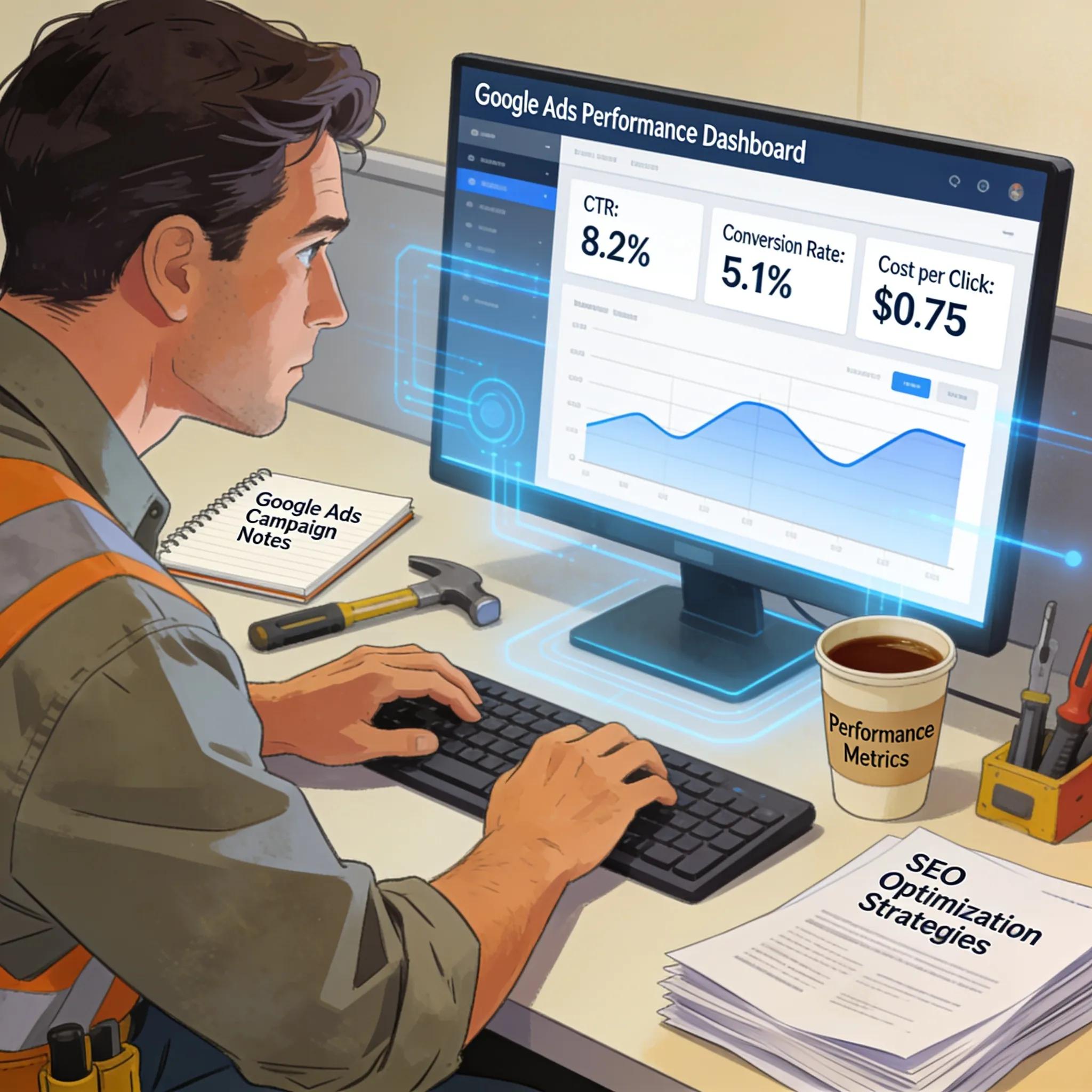
Regular monitoring of Google Ads campaigns is critical for ongoing success. Contractors can adopt several strategies to ensure optimal performance:
Which Reporting Metrics Should Contractors Track Regularly?
Contractors should regularly review the following key metrics:
- Identifying Critical Metrics: Track impressions, clicks, conversions, and cost per acquisition to measure campaign health.
- Tools to Use for Monitoring: Google Analytics and Google Ads Insights provide comprehensive data tracking and reporting.
- Best Practices in Analysis: Review metrics weekly or monthly to make timely adjustments to campaigns.
These metrics provide valuable insights that inform optimization strategies to enhance performance.
What Are Best Practices for Ongoing Campaign Testing and Improvement?
Effective PPC requires ongoing testing and iterative improvement. Some best practices include:
- Conducting A/B Testing: Test different variations of ads, keywords, or landing pages to determine what resonates most with audiences.
- Iterative Campaign Adjustments: Regularly update bids and allocate budgets based on performance data to improve results.
- Learning from Data: Use gathered data to refine future strategies and eliminate ineffective practices.
Employing these strategies fosters continuous improvement, optimizing contractor campaigns over time.
What Are Common Questions About Google Ads Management for Trade Contractors?
Navigating Google Ads can raise many questions for trade contractors. Addressing these common concerns can provide clarity and confidence in campaign management.
How Can Contractors Achieve Local Lead Generation Using Google Ads?
Contractors can maximize local lead generation by:
- Maximizing Local Searches: Use relevant location keywords and phrases in ads to ensure they are shown to nearby customers.
- Targeting Local Customers Effectively: Customize ads based on specific regional service offerings to increase relevance.
- Case Studies of Successful Lead Generation: Review successful contractors' campaigns to learn practical applications of these techniques.
Utilizing these tactics can transform contractors’ lead generation efforts through targeted marketing.
What Transparency Practices Should Contractors Expect from PPC Agencies?
Expectations around transparency are critical when working with PPC agencies. Contractors should:
- Identify Red Flags in Agency Practices: Beware of agencies that do not share detailed reporting or key metrics regularly.
- Understanding Agency Reporting: Ensure the agency provides clear, understandable analysis of campaign performance.
- Expectations for Communication: Regular updates and responsive communication channels foster a productive partnership.
These practices create a constructive environment for collaboration and success in Google Ads management.
Ready to Boost Your Contracting Business?
Set up a free strategy call with our experts to learn how to maximize your lead generation and ROI using Google Ads.